Tag: mental health

  • Anxiety Management Techniques at Home — Evidence-Based Guide for India

    Anxiety is a normal response to stress — exams, job interviews, financial pressure, or family conflict — but when worry becomes persistent, overwhelming, or physically distressing, it affects daily life. Generalised anxiety, social anxiety, and panic symptoms are increasingly reported across India, especially among students and working professionals in competitive urban environments. Home-based techniques such as controlled breathing, grounding exercises, and lifestyle adjustments can reduce symptom intensity for mild to moderate anxiety. Clinical anxiety disorders, however, benefit from professional assessment and may require therapy or medication.

    Understanding Anxiety Symptoms

    • Physical signs — racing heartbeat, chest tightness, sweating, trembling, stomach upset, headaches, muscle tension, and fatigue
    • Emotional signs — persistent worry, irritability, feeling on edge, difficulty concentrating, and fear of losing control
    • Behavioural signs — avoiding situations, restlessness, sleep disturbance, and compulsive checking or reassurance-seeking
    • Panic attacks — sudden intense fear with peak symptoms within minutes; may include breathlessness, dizziness, and tingling — often mistaken for heart attack
    • Common triggers in India — academic pressure, competitive exams, long commutes, financial stress, social expectations, and excessive news or social media consumption
    Important: Chest pain, breathlessness, and palpitations can also indicate cardiac or respiratory conditions. If these symptoms are new, severe, or accompanied by pain radiating to the arm or jaw, seek emergency medical evaluation first to rule out physical causes before attributing them solely to anxiety.

    Evidence-Based Home Management Techniques

    Anxiety relief techniques you can practise at home
    1
    Use diaphragmatic (belly) breathing
    Sit or lie comfortably. Breathe in slowly through the nose for four counts, letting your belly rise. Exhale through pursed lips for six counts. Repeat for five minutes. This activates the parasympathetic nervous system and lowers heart rate — useful during exam stress or before presentations.
    2
    Practise the 5-4-3-2-1 grounding technique
    Name five things you see, four you can touch, three you hear, two you smell, and one you taste. This redirects attention from anxious thoughts to the present environment and works well during panic episodes.
    3
    Limit caffeine and stimulants
    Excessive chai, coffee, energy drinks, and nicotine amplify anxiety symptoms. Reduce intake gradually — especially after 2 pm — and notice whether symptoms improve over one to two weeks.
    4
    Establish a sleep routine
    Anxiety and poor sleep feed each other. Keep a consistent bedtime, avoid screens one hour before sleep, and keep the bedroom cool — important during Indian summers. Aim for seven to eight hours nightly.
    5
    Schedule “worry time”
    Set aside 15 minutes daily to write down worries and possible next steps. When anxious thoughts arise outside this window, note them and postpone until worry time. This cognitive technique reduces all-day rumination.
    6
    Move your body regularly
    Thirty minutes of brisk walking, yoga, or cycling most days reduces cortisol and improves mood. Morning walks before heat peaks are practical across Indian cities and need no equipment.

    What to Avoid

    • Self-medicating with alcohol, sedatives, or unprescribed anti-anxiety drugs
    • Excessive Googling of symptoms, which amplifies health anxiety
    • Complete avoidance of feared situations — this reinforces anxiety long term
    • Checking pulse or blood pressure repeatedly during anxious episodes
    • Isolating from family and friends who offer support
    Seek urgent help if: you have thoughts of self-harm or suicide, experience a panic attack that does not settle within 20–30 minutes, or have chest pain with sweating and arm pain that could indicate a heart problem. Call Tele-MANAS (14416) or iCall (9152987821) for immediate mental health support in India.

    When to See a Mental Health Professional

    • Anxiety lasting most days for more than two weeks and interfering with work, study, or relationships
    • Recurrent panic attacks or fear of leaving home (agoraphobia)
    • Physical symptoms persisting despite medical tests ruling out other conditions
    • Use of alcohol or substances to cope with anxiety
    • Interest in cognitive behavioural therapy (CBT), the most evidence-based talk therapy for anxiety
    • Need for medication assessment — SSRIs prescribed by a psychiatrist can be effective for generalised anxiety disorder

    Frequently Asked Questions

    Can anxiety cause real physical symptoms?

    Yes. Anxiety triggers the body’s fight-or-flight response, releasing adrenaline that causes genuine physical sensations — rapid heartbeat, nausea, dizziness, and muscle tension. These symptoms are real, not imagined, even when no underlying disease is found. Understanding this can reduce the fear that something catastrophic is happening.

    Does pranayama help with anxiety?

    Controlled breathing practices such as anulom vilom and bhramari have shown modest benefits for stress and anxiety in research studies. They work similarly to clinical breathing techniques by slowing the breath and calming the nervous system. They are safe for most people and complement other anxiety management strategies.

    How do I help an anxious family member at home?

    Listen without dismissing their feelings — avoid saying “just relax.” Encourage professional help if symptoms persist. Support practical steps like accompanying them on walks, helping reduce caffeine, and maintaining calm household routines. Do not force confrontation with feared situations without therapeutic guidance.

    When is medication needed for anxiety?

    Medication is considered when anxiety is moderate to severe, persists despite therapy and lifestyle changes, or significantly impairs functioning. SSRIs such as sertraline or escitalopram are commonly prescribed in India under psychiatric supervision. Home techniques remain valuable alongside medication, not as replacements when clinically indicated.
    This article is for general educational purposes only and is not a substitute for professional medical advice. Always consult a qualified healthcare provider for your specific situation. Last reviewed: April 2026. Read our full Medical Disclaimer.
  • Signs of Depression in India — When to Seek Help

    Crisis support: If you or someone you know is having thoughts of self-harm, call Vandrevala Foundation Helpline at 1860-2662-345 or 9999-666-555 (24/7), or iCall at 9152-987-821. Go to the nearest emergency department immediately.

    Depression is a common, treatable medical condition — not a character flaw or a sign of weakness. The WHO estimates that over 56 million people in India live with depression, yet stigma prevents many from seeking help. Recognising the signs early makes treatment more effective and recovery faster.

    Core Symptoms of Depression

    Clinical depression — major depressive disorder — requires symptoms lasting at least two weeks and significant enough to impair daily functioning. Key signs include:

    • Persistent low mood, sadness, or emptiness most of the day
    • Loss of interest or pleasure in activities you once enjoyed
    • Significant changes in appetite or weight
    • Sleep disturbances — insomnia or sleeping excessively
    • Fatigue or loss of energy nearly every day
    • Feelings of worthlessness or excessive guilt
    • Difficulty concentrating, making decisions, or remembering
    • Restlessness or slowed movements noticed by others
    • Recurrent thoughts of death or suicide

    How Depression May Look Different in India

    Somatic presentation

    Many Indians describe depression through physical symptoms rather than emotional ones — persistent headaches, body aches, digestive problems, or chest tightness. Doctors sometimes investigate these physically before identifying an underlying mood disorder. If medical tests are normal but symptoms persist, consider a mental health evaluation.

    Cultural and family factors

    Depression may be masked by overwork, social withdrawal explained as “needing space,” or irritability directed at family members. Women in particular may underreport symptoms due to caregiving responsibilities. Joint family dynamics can both support recovery and, in some cases, delay recognition of the problem.

    Seasonal and environmental triggers

    Major life transitions — job loss, exam pressure, marriage stress, migration, bereavement — are common triggers in India. Postpartum depression affects an estimated 15–25% of new mothers and is frequently undiagnosed. Monsoon-related reduced sunlight may worsen mood in susceptible individuals.

    Depression vs. Normal Sadness

    Grief after loss, disappointment, or stress is normal and usually resolves with time and support. Depression differs in its duration, intensity, and impact on functioning. If low mood persists beyond two weeks, affects work or relationships, or includes hopelessness, it warrants professional assessment — not just “waiting it out.”

    What You Can Do at Home

    • Maintain a daily routine — regular wake time, meals, and short walks
    • Stay connected with one trusted person, even when isolation feels easier
    • Limit alcohol, which worsens depression despite short-term relief
    • Get morning sunlight for 15–20 minutes to support circadian rhythm
    • Practice gentle movement — walking is as effective as structured exercise for mild depression
    Important: Home strategies support mild symptoms but do not replace treatment for moderate to severe depression. Therapy and medication are both evidence-based and widely available through psychiatrists and clinical psychologists across India.

    Getting Help in India

    Consult a psychiatrist or clinical psychologist through government hospitals, private clinics, or telemedicine platforms. NIMHANS in Bengaluru and similar centres in major cities offer affordable care. The Mental Healthcare Act 2017 guarantees access to treatment — insurance coverage for mental health is expanding. Talk to your family doctor first if you are unsure where to start; they can refer you appropriately. Sharing how you feel with one trusted person is often the first step toward recovery.

    When to Seek Professional Help

    • Symptoms lasting more than two weeks without improvement
    • Difficulty functioning at work, study, or home
    • Any suicidal thoughts, plans, or self-harm urges
    • Substance use to cope with low mood
    • Postpartum mood changes beyond two weeks after delivery

    Related Guides

    This article is for general educational purposes only and is not a substitute for professional medical advice. Always consult a qualified healthcare provider for your specific situation. Last reviewed: February 2026. Read our full Medical Disclaimer.
  • Mindfulness for a Balanced Life — Practical Guide for India

    Mindfulness for a Balanced Life — Practical Guide for India

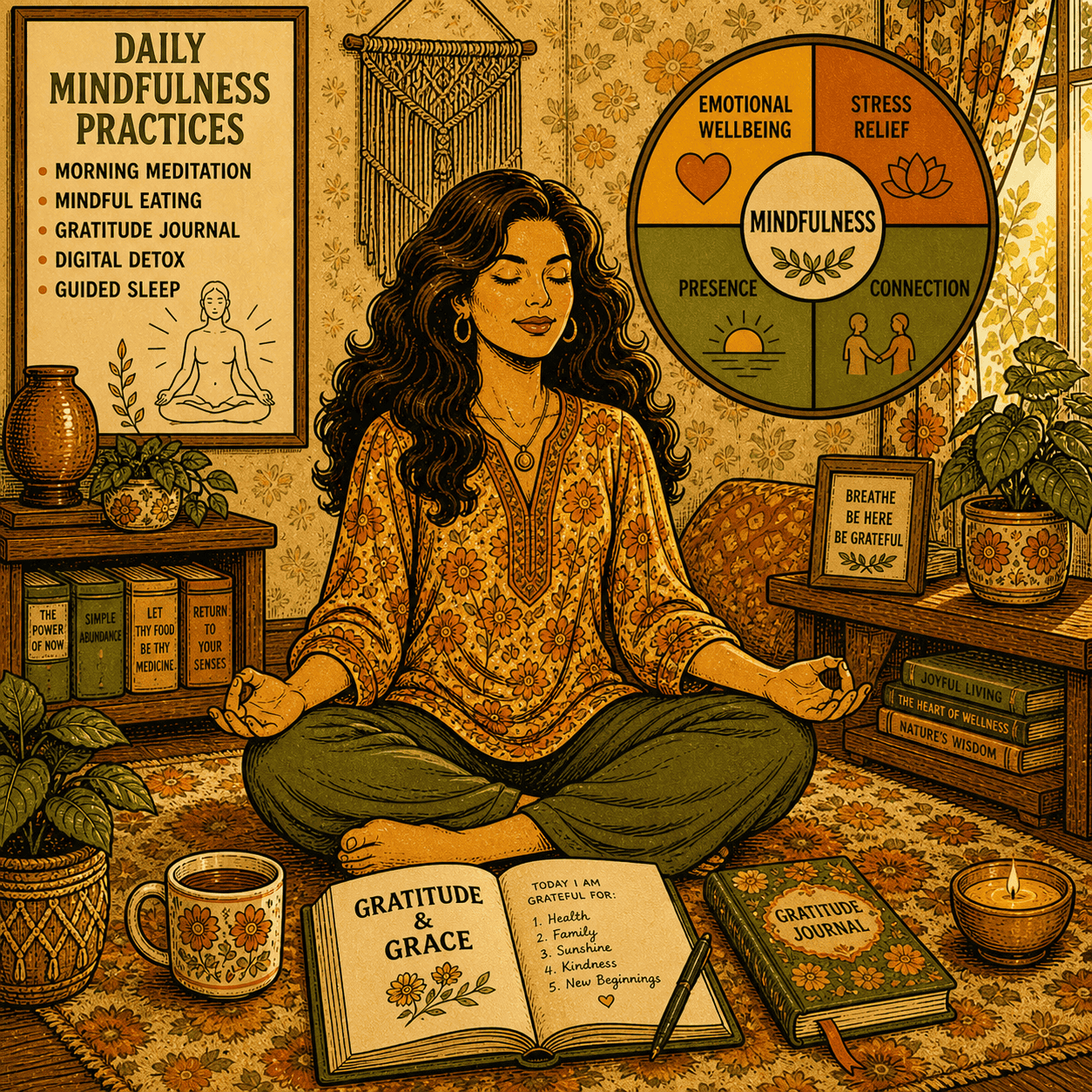
    Mindfulness is the practice of paying deliberate, non-judgemental attention to the present moment — your breath, body sensations, thoughts, and surroundings. Research shows it can reduce stress, improve sleep quality, and support emotional regulation when practised consistently. In fast-paced Indian cities where long commutes, family responsibilities, and digital overload are common, even brief daily mindfulness can help restore balance. It complements — but does not replace — professional mental health care when anxiety, depression, or burnout are severe.

    What Mindfulness Can and Cannot Do

    • Evidence-based benefits — reduced perceived stress, improved focus, better sleep hygiene, lower blood pressure in some studies, and greater emotional awareness
    • Common forms — breath awareness, body scan meditation, mindful walking, mindful eating, and guided apps or audio sessions
    • Indian traditions — pranayama (controlled breathing), yoga, and vipassana meditation share roots with modern mindfulness; many find familiar cultural entry points helpful
    • Realistic expectations — mindfulness is a skill that develops over weeks, not a quick fix; wandering thoughts during practice are normal, not failure
    • Limitations — not a substitute for therapy, medication, or crisis intervention for clinical depression, trauma, or suicidal thoughts
    Important: If you experience persistent low mood, panic attacks, or thoughts of self-harm, seek help from a qualified mental health professional. India’s Tele-MANAS helpline (14416) offers free counselling support. Mindfulness works best as part of a broader wellbeing plan, not as sole treatment for mental illness.

    Practical Mindfulness Steps for Daily Life

    Building a sustainable mindfulness routine
    1
    Start with five minutes of breath awareness
    Sit comfortably each morning before checking your phone. Notice the sensation of air entering and leaving your nostrils. When your mind wanders — which it will — gently return attention to the breath without criticism. Five minutes daily beats one hour weekly.
    2
    Practise mindful transitions
    Use everyday moments as anchors: three conscious breaths before entering the office, mindful sips of chai without scrolling, or a brief pause before responding to a stressful message on WhatsApp. These micro-practices fit Indian work and family rhythms.
    3
    Try a body scan before sleep
    Lie down and slowly move attention from toes to head, noticing tension without trying to change it. This can ease the racing thoughts that keep many Indians awake in hot nights or after late-night screen use.
    4
    Combine with gentle movement
    Mindful walking in a park or terrace — feeling each footfall — or slow surya namaskar with breath coordination integrates body and mind. Even ten minutes on a balcony during cooler morning hours counts.
    5
    Reduce digital distraction deliberately
    Set one phone-free meal daily and one screen-free hour before bed. Constant notifications fragment attention; mindfulness rebuilds the capacity to focus on one thing at a time.
    6
    Keep a simple gratitude note
    Each evening, write one thing you noticed with full attention — the taste of dal, a child’s laugh, monsoon rain on the window. Gratitude paired with presence strengthens positive neural pathways over time.

    What to Avoid

    • Expecting a completely empty mind — the goal is awareness, not silence
    • Using mindfulness to suppress or avoid difficult emotions rather than acknowledge them
    • Practising intensive meditation alone without guidance if you have unresolved trauma
    • Replacing prescribed psychiatric treatment with meditation apps
    • Judging yourself harshly for missed days — consistency matters more than perfection
    Seek professional help if: you have persistent sadness lasting more than two weeks, panic attacks, inability to function at work or home, substance dependence, or any thoughts of harming yourself or others. Mindfulness supports recovery but cannot replace clinical care in these situations.

    When to See a Mental Health Professional

    • Stress or anxiety that interferes with sleep, appetite, or daily functioning for more than two weeks
    • Recurrent panic symptoms — racing heart, chest tightness, fear of dying
    • Depressive symptoms including loss of interest, hopelessness, or social withdrawal
    • Meditation or mindfulness practice triggers distressing memories or dissociation
    • Difficulty maintaining relationships or work performance despite self-care efforts
    • Desire for structured therapy such as mindfulness-based cognitive therapy (MBCT) or CBT

    Frequently Asked Questions

    How long before mindfulness shows results?

    Many people notice small shifts — slightly better sleep or less reactivity — within two to four weeks of daily five-to-ten-minute practice. Measurable changes in stress biomarkers and brain activity typically require eight weeks or more of regular practice. Treat it like physical exercise: benefits accumulate gradually.

    Is mindfulness the same as meditation?

    Mindfulness is a quality of attention that can be cultivated through meditation and also through everyday activities. Not all meditation is mindfulness-based — some traditions focus on mantras or visualisation. For stress reduction, breath-focused and body-awareness practices are the most studied.

    Can I practise mindfulness during a busy Indian workday?

    Yes. Brief practices work well — a two-minute breathing pause between meetings, mindful eating during lunch instead of eating at your desk, or conscious breathing during a metro commute. The key is anchoring attention to the present rather than requiring a silent retreat environment.

    Are mindfulness apps reliable?

    Apps such as Headspace, Calm, and Indian platforms like ThinkRight.me can provide structured guidance for beginners. Choose apps with evidence-based content and free or affordable options. Apps supplement but do not replace professional counselling when mental health symptoms are significant.

    This article is for general educational purposes only and is not a substitute for professional medical advice. Always consult a qualified healthcare provider for your specific situation. Last reviewed: February 2026. Read our full Medical Disclaimer.
  • Stress Management Techniques — Proven Methods at Home

    Stress is a normal physiological response to demands and threats. Chronic stress — when the body stays in fight-or-flight mode for weeks or months — raises blood pressure, disrupts sleep, weakens immunity, and contributes to anxiety and depression. The good news: stress management techniques with strong clinical evidence can be practised at home with no special equipment.

    Physical Signs of Chronic Stress

    • Muscle tension — neck, shoulders, jaw clenching
    • Headaches and digestive upset
    • Racing heart, shallow breathing, or chest tightness
    • Fatigue despite rest
    • Difficulty concentrating and irritability
    • Changes in appetite or reliance on alcohol and caffeine

    Techniques That Work at Home

    Diaphragmatic breathing

    Slow, deep belly breathing activates the vagus nerve and lowers cortisol within minutes. Place one hand on your chest and one on your abdomen. Breathe in through the nose for four counts, letting the belly rise. Exhale through the mouth for six counts. Repeat for five minutes, twice daily and whenever stress peaks.

    Progressive muscle relaxation

    Tense each muscle group for five seconds, then release for ten — starting from toes and moving up to the face. This technique reduces physical tension that perpetuates the stress cycle. A full session takes 15–20 minutes and is especially effective before sleep.

    Physical activity

    Exercise is one of the most potent stress reducers available. A 20-minute brisk walk, cycling, or dancing releases endorphins and burns off adrenaline. You do not need intense workouts — consistency matters more. Even five minutes of movement during a work break helps reset your nervous system.

    Structured worry time

    If anxious thoughts loop endlessly, schedule a 15-minute “worry window” daily. Write concerns on paper during that time only. Outside the window, note the worry and postpone it. This CBT technique reduces the intrusion of stress thoughts into work and family time.

    Digital and social boundaries

    Constant connectivity keeps cortisol elevated. Set phone-free periods — during meals and the first hour after waking. Learn to say no to non-essential commitments. Protecting personal time is not selfish; it is necessary for nervous system recovery.

    Mindfulness and grounding

    The 5-4-3-2-1 grounding technique pulls attention to the present: name five things you see, four you hear, three you feel, two you smell, and one you taste. This interrupts panic and rumination. Regular mindfulness practice — even ten minutes daily — reduces perceived stress over four to eight weeks.

    Long-Term Stress Reduction

    Short techniques manage acute stress; long-term resilience requires lifestyle shifts. Regular sleep, balanced meals, and social connection are foundational — without them, breathing exercises alone will not sustain results. Journaling three gratitudes or wins at day end retrains attention away from threat-focused thinking. Limit news and social media consumption, especially before bed. If work stress is chronic, address the source through conversation with your manager, delegation, or professional career counselling — managing symptoms without changing unsustainable workloads eventually fails.

    Quick Stress Reset — 3 Minutes
    1
    Stop and breathe

    Six slow belly breaths with longer exhales than inhales.

    2
    Move

    Stand, stretch arms overhead, roll shoulders, walk to a window.

    3
    Reframe

    Ask: “What is one small action I can take right now?”

    When to Seek Professional Help

    • Stress lasting more than a few weeks with no relief from self-care
    • Panic attacks — sudden intense fear with palpitations or breathlessness
    • Stress causing missed work, relationship breakdown, or substance use
    • Physical symptoms — chest pain, persistent headaches — that need medical ruling out
    • Thoughts of self-harm or hopelessness

    Related Guides

    This article is for general educational purposes only and is not a substitute for professional medical advice. Always consult a qualified healthcare provider for your specific situation. Last reviewed: January 2026. Read our full Medical Disclaimer.
  • Caregiver Burnout Prevention — Support Guide for Indian Families

    Caring for an elderly parent or relative is one of the most demanding roles an adult child can take on — especially in India, where formal elder care infrastructure is limited and family caregiving remains the norm. Managing medications, doctor visits, bathing, meals, and dementia-related behaviours while maintaining one’s own job and family creates chronic stress. Caregiver burnout — physical, emotional, and mental exhaustion combined with reduced empathy and sense of accomplishment — affects an estimated 40–70% of family caregivers. Preventing burnout is not selfish; it protects both the caregiver’s health and the quality of care provided.

    Signs of Caregiver Burnout

    • Physical exhaustion — persistent fatigue that sleep does not relieve, frequent illness, headaches, and body aches
    • Emotional depletion — feeling numb, irritable, anxious, or resentful toward the person being cared for
    • Withdrawal — losing interest in hobbies, friends, and activities previously enjoyed
    • Neglecting own health — skipping meals, doctor appointments, exercise, and sleep to meet caregiving demands
    • Feeling helpless or trapped — belief that no one else can provide adequate care
    • Indian cultural pressures — guilt about wanting respite, judgment from relatives for hiring help, and expectation that daughters-in-law bear primary caregiving load without complaint
    Important: Caregiver burnout increases the risk of depression, hypertension, and substance use. It also correlates with higher rates of abuse and neglect — not from malice, but from exhaustion. Seeking help early protects everyone involved. Tele-MANAS (14416) offers free mental health support for caregivers in distress.

    Prevention and Self-Care Steps

    Protecting yourself while caring for others
    1
    Accept that you cannot do everything alone
    Divide responsibilities among siblings, spouses, and trusted relatives — even if they live in other cities, they can manage finances, doctor appointments via teleconsultation, or weekend relief visits. Write a shared care schedule to make expectations visible and fair.
    2
    Schedule regular respite time
    Arrange at least four to eight hours weekly completely off duty — hire a trained attendant (₹500–1500 per day in most cities), use a day care centre, or ask a family member to take over. Respite is preventive medicine, not abandonment.
    3
    Maintain your own health appointments
    Caregivers who neglect their blood pressure, diabetes, and mental health become patients themselves. Block calendar time for your own doctor visits. You cannot pour from an empty cup.
    4
    Connect with other caregivers
    Join support groups through ARDSI (for dementia caregivers), local senior citizen associations, or online WhatsApp communities. Sharing experiences with people who understand reduces isolation and provides practical tips.
    5
    Use professional services strategically
    Home nursing for wound care or injections, physiotherapy visits, meal delivery services, and online pharmacy delivery reduce daily load. Many services are affordable and available through apps in metro cities. Invest in tools that save time — pill organisers, grab bars, adult diapers.
    6
    Set emotional boundaries with family
    Push back against criticism from relatives who contribute little but offer unsolicited advice. Communicate clearly about what you need — financial contribution, time, or acknowledgment — rather than silently accumulating resentment.

    What to Avoid

    • Equating self-care with selfishness — burned-out caregivers provide worse care
    • Refusing all paid help due to stigma — professional attendants are skilled and dignified
    • Isolating from friends and social life entirely
    • Using alcohol or sedatives to cope with stress without medical guidance
    • Ignoring signs of depression — persistent sadness, hopelessness, or loss of interest
    Seek professional help urgently if: you have thoughts of harming yourself or the person you care for, feel completely unable to cope, or experience severe depression or panic attacks. Caregiver stress is treatable, and emergency mental health support is available through Tele-MANAS (14416) and iCall (9152987821).

    When to See a Doctor or Counsellor

    • Persistent exhaustion, insomnia, or anxiety lasting more than two weeks
    • Physical symptoms — chest pain, palpitations, digestive problems — related to stress
    • Feeling emotionally detached from or angry toward the care recipient
    • Substance use increasing to manage stress
    • Need for caregiver counselling or family therapy to resolve care disputes
    • Planning transition to institutional care — geriatric counsellors can guide decisions without guilt

    Frequently Asked Questions

    How do I convince siblings to share caregiving responsibility?

    Present a written care plan listing daily tasks, costs, and time required. Suggest specific roles — one manages finances, another handles doctor visits, a third provides weekend relief. Family meetings with a neutral facilitator or geriatric counsellor help when emotions run high. Document agreements to prevent misunderstandings.

    Is hiring a paid caregiver acceptable in Indian families?

    Yes, and it is increasingly common in urban India. A trained attendant allows family members to maintain employment and personal health while ensuring the elderly person receives consistent care. Choose agencies or individuals with verified references and basic first-aid training.

    What government support exists for caregivers in India?

    Schemes vary by state. The Indira Gandhi National Old Age Pension provides financial support to eligible seniors. Some states offer day care centres under the National Programme for Health Care of the Elderly (NPHCE). Ayushman Bharat covers hospitalisation. Check with your local district social welfare office for region-specific programmes.

    How is caregiver burnout different from general burnout?

    Caregiver burnout is specifically tied to the chronic stress of providing unpaid care, often 24/7, with limited control over the care recipient’s declining health. It includes grief for the person the parent used to be, role reversal distress, and social isolation. The emotional complexity exceeds workplace burnout and often requires specialised caregiver support.

    This article is for general educational purposes only and is not a substitute for professional medical advice. Always consult a qualified healthcare provider for your specific situation. Last reviewed: November 2025. Read our full Medical Disclaimer.
  • Burnout Recovery Guide — Rest, Reset & Rebuild for India

    Burnout is a state of chronic physical and emotional exhaustion caused by prolonged stress — typically from work, caregiving, or unrelenting demands without adequate recovery. Unlike ordinary tiredness, burnout does not resolve with a single weekend off. It involves cynicism, reduced performance, and feeling detached from responsibilities. India’s long working hours, “always-on” digital culture, and blurred boundaries between office and home make burnout increasingly common among IT professionals, healthcare workers, entrepreneurs, and homemakers managing dual roles. Recovery requires deliberate rest, boundary-setting, and often professional support.

    Recognising Burnout vs Ordinary Stress

    • Exhaustion — persistent fatigue that sleep does not fix; waking tired despite adequate hours in bed
    • Cynicism and detachment — feeling emotionally distant from work, family, or activities you once valued
    • Reduced efficacy — difficulty concentrating, more mistakes, procrastination, and declining productivity
    • Physical symptoms — frequent headaches, digestive issues, muscle pain, lowered immunity, and disrupted sleep
    • Emotional symptoms — irritability, anxiety, low mood, and sense of helplessness
    • Indian context factors — unpaid overtime, long commutes in metro cities, caregiving for elderly parents alongside full-time jobs, and cultural pressure to “push through” without complaint
    Important: Burnout overlaps with depression and anxiety disorders. If you experience persistent hopelessness, loss of interest in all activities, or thoughts of self-harm, seek psychiatric evaluation — burnout recovery alone may not be sufficient. Burnout is now recognised by the WHO as an occupational phenomenon, not a medical diagnosis, but its health impact is real.

    Evidence-Based Recovery Steps

    Recovering from burnout at home and work
    1
    Acknowledge burnout and reduce load
    Recovery begins by accepting that willpower alone cannot fix exhaustion caused by sustained overload. Identify non-essential commitments and defer or delegate them. Speak to your manager about workload if work is the primary driver — many Indian companies now have employee assistance programmes (EAPs).
    2
    Prioritise restorative sleep
    Aim for seven to nine hours with consistent bed and wake times. Remove screens from the bedroom, keep the room cool with fan or AC, and avoid late-night work emails. Sleep is the foundation of nervous system recovery — not a luxury.
    3
    Set firm digital boundaries
    Turn off work notifications after hours. Establish a “shutdown ritual” — closing the laptop, a brief walk, or ten minutes of quiet — to signal the brain that work mode has ended. Constant WhatsApp work groups are a major burnout driver in India.
    4
    Rebuild physical energy gradually
    Start with gentle daily movement — a 20-minute walk, stretching, or yoga — rather than intense gym sessions that add stress. Eat regular balanced meals; skipping lunch at the desk worsens energy crashes. Stay hydrated, especially in heat.
    5
    Reconnect with meaning outside work
    Spend time on activities unrelated to productivity — reading, cooking, time with friends, creative hobbies, or spiritual practice. Burnout erodes identity beyond roles; rebuilding a sense of self outside work accelerates recovery.
    6
    Seek social and professional support
    Talk to trusted friends, family, or a counsellor. Tele-MANAS (14416) offers free mental health support in India. Therapy — especially CBT or acceptance-based approaches — helps restructure thought patterns that fuel overwork and guilt about rest.

    What to Avoid During Recovery

    • Taking a one-day break and returning immediately to the same workload
    • Self-medicating with alcohol, sleeping pills, or excessive caffeine
    • Comparing your recovery pace to others on social media
    • Saying yes to new commitments before energy stabilises
    • Ignoring physical symptoms that may indicate anaemia, thyroid disorder, or depression
    Seek professional help urgently if: you have thoughts of self-harm, cannot get out of bed for several days, experience severe chest pain or breathlessness, or feel completely unable to function. Burnout recovery typically takes weeks to months — be patient and accept support.

    When to See a Doctor or Therapist

    • Symptoms persist beyond four to six weeks despite rest and boundary changes
    • Significant weight change, persistent insomnia, or loss of interest in all activities
    • Physical symptoms — palpitations, chronic pain, gastrointestinal issues — needing medical investigation
    • Substance use to cope with exhaustion or emotional numbness
    • Workplace stress causing legal or HR concerns — document incidents and explore EAP resources
    • Need for medical leave — discuss with your doctor; burnout-related sick leave is increasingly recognised

    Frequently Asked Questions

    How long does burnout recovery take?

    Recovery timelines vary. Mild burnout may improve in four to six weeks with genuine rest and boundary changes. Moderate to severe burnout often requires two to six months or longer, especially if the underlying workload or caregiving demands have not changed. Relapse is common if you return to the same conditions without structural changes.

    Can I recover from burnout without quitting my job?

    Often yes, if workload and boundaries can be adjusted. Negotiate realistic deadlines, reduce overtime, and use earned leave. If the workplace culture is toxic and management is unresponsive, recovery may require a role change or job switch. Staying in an unsustainable environment prolongs burnout.

    Is burnout the same as depression?

    They share symptoms — exhaustion, low mood, reduced motivation — but differ in cause and treatment focus. Burnout is linked to chronic stress and usually improves when stressors reduce. Depression is a clinical condition that may persist regardless of rest and often requires therapy or medication. A mental health professional can distinguish between them.

    What role does exercise play in burnout recovery?

    Gentle, regular movement improves mood and sleep without adding physiological stress. Avoid high-intensity training until energy returns — over-exercising when already depleted can worsen burnout. Walking, yoga, and swimming are good starting points for most people in India.

    This article is for general educational purposes only and is not a substitute for professional medical advice. Always consult a qualified healthcare provider for your specific situation. Last reviewed: September 2025. Read our full Medical Disclaimer.