Tag: women’s health

  • UTI Symptoms and Home Care — When to See a Doctor

    Urinary tract infections (UTIs) are extremely common in women because of a shorter urethra and anatomical proximity to the bowel. Most UTIs affect the bladder (cystitis) and cause burning urination, urgency, and lower abdominal discomfort. While mild symptoms sometimes improve with hydration and early medical treatment, untreated UTIs can ascend to the kidneys — a serious condition. Home care supports comfort and prevention but does not replace antibiotics when a doctor confirms bacterial infection. Pregnant women, diabetics, and those with recurrent UTIs need prompt medical review.

    Recognising UTI Symptoms

    • Bladder infection (lower UTI) — burning or pain when urinating, frequent urge to pass small amounts, cloudy or strong-smelling urine, lower belly pressure
    • Kidney infection (upper UTI) — fever, chills, flank or back pain, nausea, vomiting — medical emergency
    • Asymptomatic bacteriuria — bacteria in urine without symptoms; treated selectively in pregnancy
    • Similar conditions — vaginal yeast infection, STIs, and interstitial cystitis can mimic UTI — testing clarifies diagnosis
    Important: Cranberry products and increased fluids may help prevention in some women but are not reliable substitutes for antibiotics in confirmed acute UTI. Do not delay medical care if symptoms are moderate or severe.

    Home Care and Prevention Steps

    UTI symptom management and prevention at home
    1
    Seek timely medical assessment
    Contact your doctor for urine testing and antibiotics if symptoms suggest UTI — especially first episode, pregnancy, fever, or blood in urine. Early treatment shortens illness and prevents kidney spread.
    2
    Drink adequate water
    Plain water dilutes urine and supports flushing bacteria. Aim for pale yellow urine unless fluid restriction is medically required. Avoid holding urine for long periods during travel or work shifts.
    3
    Complete prescribed antibiotics
    Take the full course even if symptoms improve in 1–2 days. Incomplete treatment causes recurrence and resistance. Probiotics may reduce antibiotic-related diarrhoea — discuss with your doctor.
    4
    Practise front-to-back hygiene
    Wipe from front to back after toilet use. Urinate after sexual intercourse. Change sanitary pads frequently during periods. Avoid harsh scented washes in the genital area — they disrupt normal flora.
    5
    Wear breathable cotton underwear
    Tight synthetic clothing and prolonged dampness in humid Indian climates promote bacterial growth. Change out of wet clothes after exercise or swimming.
    6
    Use paracetamol for discomfort if needed
    Paracetamol eases pain and fever while awaiting or during treatment. Avoid self-medicating with old antibiotic courses without culture guidance.

    What to Avoid

    • Delaying antibiotics when doctor confirms UTI with significant symptoms
    • Using baking soda or vinegar douches — they irritate tissues and lack evidence
    • Relying solely on over-the-counter urinary alkalinisers without diagnosis
    • Holding urine for many hours regularly
    • Using spermicides frequently if they trigger recurrent infections
    Seek urgent care if: fever above 38°C, vomiting, severe back or side pain, blood in urine with clots, confusion, or symptoms during pregnancy. These may indicate pyelonephritis requiring hospital-level care.

    When to See a Doctor

    • Any suspected first UTI — confirm diagnosis with urine test
    • Symptoms not improving 48 hours after starting antibiotics
    • Recurrent UTIs — three or more per year warrants specialist review
    • Pregnancy, diabetes, kidney disease, or immunosuppression
    • Blood in urine, fever, or flank pain
    • UTI symptoms in men or children — always needs medical evaluation

    Frequently Asked Questions

    Can I treat a UTI at home without antibiotics?

    Mild symptoms occasionally resolve with fluids, but bacterial UTIs usually need antibiotics to prevent complications. Watchful waiting is not recommended in pregnancy, diabetes, or when symptoms are significant. A doctor can advise based on urine dipstick or culture.

    Does cranberry juice prevent UTIs?

    Some studies show cranberry proanthocyanidins may reduce adhesion of certain bacteria to the bladder wall. Evidence is modest — unsweetened cranberry may help prevention in some women but is not treatment for active infection. High sugar juice should be avoided.

    Why do I keep getting UTIs?

    Recurrence relates to anatomy, sexual activity, menopause-related tissue changes, constipation, incomplete bladder emptying, and spermicide use. Your doctor may recommend post-coital antibiotics, vaginal oestrogen in menopause, or further investigation for stones or structural issues.

    Are UTIs related to hygiene during periods?

    Infrequent pad or cup changes, and wiping technique, can contribute. Change menstrual products every 4–6 hours or per flow needs, wash hands before cup insertion, and maintain front-to-back wiping to reduce bacterial spread from the anal area.
    This article is for general educational purposes only and is not a substitute for professional medical advice. Always consult a qualified healthcare provider for your specific situation. Last reviewed: December 2025. Read our full Medical Disclaimer.
  • PCOS Diet & Lifestyle Management — Evidence-Based Guide

    Polycystic ovary syndrome (PCOS) affects roughly one in five women of reproductive age in India. It involves hormonal imbalance, insulin resistance, irregular periods, and often excess androgen symptoms like acne and unwanted hair growth. While PCOS has no cure, diet and lifestyle changes are the first-line treatment recommended by endocrinologists and gynaecologists worldwide.

    Understanding PCOS and Insulin Resistance

    Most women with PCOS have some degree of insulin resistance — where cells respond poorly to insulin, causing the pancreas to produce more. Elevated insulin stimulates the ovaries to produce excess androgens, which disrupts ovulation and worsens symptoms. Diet and exercise directly target this root mechanism, often improving cycles within three to six months.

    Diet Principles That Help

    Choose low glycaemic index foods

    Swap white rice and refined flour for brown rice, millets (ragi, bajra, jowar), whole wheat roti, and oats. Low-GI foods release glucose slowly, reducing insulin spikes. Pair carbohydrates with protein or healthy fat at every meal — for example, dal with roti, or eggs with multigrain toast.

    Increase fibre and vegetables

    Aim for half your plate as non-starchy vegetables — spinach, methi, beans, cauliflower, and salad greens. Fibre slows digestion and improves gut health, which emerging research links to better metabolic outcomes in PCOS.

    Prioritise lean protein

    Include dal, chickpeas, paneer, fish, chicken, and eggs at main meals. Protein increases satiety and stabilises blood sugar. Many Indian vegetarian diets are carbohydrate-heavy; adding protein at breakfast especially makes a measurable difference.

    Limit added sugar and processed foods

    Cut back on sweets, packaged snacks, sweetened chai, and fruit juices. Even modest sugar reduction improves insulin sensitivity within weeks. Use jaggery or dates sparingly if you need natural sweetness.

    Healthy fats in moderation

    Include nuts, seeds, avocado, and cold-pressed oils. Omega-3 fatty acids from flaxseed, walnuts, and fatty fish reduce inflammation associated with PCOS. Avoid trans fats found in fried street food and some packaged biscuits.

    Lifestyle Changes Beyond Diet

    Regular exercise

    At least 150 minutes of moderate activity per week — brisk walking, cycling, or swimming — improves insulin sensitivity even without weight loss. Resistance training twice weekly builds muscle, which acts as a glucose sink. You do not need a gym; bodyweight exercises at home are effective.

    Sleep and stress management

    Poor sleep raises cortisol and worsens insulin resistance. Aim for seven to nine hours nightly. Chronic stress has similar effects — practices like deep breathing, yoga, and consistent routines help regulate cortisol levels.

    Weight management — realistic goals

    Even a five to ten percent reduction in body weight can restore ovulation in overweight women with PCOS. Focus on sustainable habits rather than crash diets, which worsen metabolic markers long term.

    Indian meal example: Breakfast — vegetable upma with moong dal and a handful of almonds. Lunch — two millet rotis, palak paneer, cucumber salad. Dinner — grilled fish or rajma with sautéed vegetables. Avoid skipping meals.

    Supplements — What the Evidence Says

    Inositol (myo-inositol) at 2–4 grams daily has shown benefit for insulin resistance and ovulation in PCOS trials. Vitamin D deficiency is common in Indian women and supplementation may improve metabolic markers when levels are low — get tested first. Cinnamon and berberine show modest insulin effects in small studies but should complement, not replace, diet and exercise. Always discuss supplements with your doctor, especially if you take metformin or plan pregnancy.

    When to See a Doctor

    • Irregular or absent periods for three or more months
    • Difficulty conceiving after twelve months of trying
    • Rapid weight gain, severe acne, or excessive hair growth
    • Symptoms of diabetes — increased thirst, frequent urination, blurred vision
    • No improvement after six months of consistent lifestyle changes

    Related Guides

    This article is for general educational purposes only and is not a substitute for professional medical advice. Always consult a qualified healthcare provider for your specific situation. Last reviewed: December 2025. Read our full Medical Disclaimer.
  • Period Pain Relief at Home — Safe Remedies That Work

    Menstrual cramps — medically called primary dysmenorrhea — affect up to 80% of women at some point. The pain is caused by uterine contractions triggered by prostaglandins, hormone-like chemicals that help shed the uterine lining. Most period pain is manageable at home, but severe or worsening cramps deserve medical attention.

    Why Period Pain Happens

    • Prostaglandin release causes uterine muscle contractions
    • Higher prostaglandin levels often mean more intense cramps
    • Secondary dysmenorrhea — pain from conditions like endometriosis or fibroids — needs diagnosis
    • Stress, poor sleep, and dehydration can amplify discomfort
    • Heavy bleeding may accompany more painful cycles

    Home Relief That Actually Works

    Heat therapy

    A hot water bottle or heating pad placed on the lower abdomen relaxes uterine muscles and improves blood flow. Apply for 15–20 minutes at a time. A warm bath works similarly. Heat is as effective as ibuprofen for many women, according to several clinical reviews.

    Over-the-counter pain relief

    Ibuprofen or naproxen taken at the first sign of cramps blocks prostaglandin production and works best when started early — ideally before pain peaks. Paracetamol helps mild cramps but is less effective for moderate pain. Always follow package dosing and avoid combining NSAIDs without medical advice.

    Gentle movement

    Light walking, yoga, or stretching releases endorphins — your body’s natural painkillers. Poses like child’s pose and supine twists gently ease lower abdominal tension. You do not need intense exercise; consistency matters more than intensity.

    Diet adjustments during your period

    Reduce salt to limit bloating, limit caffeine which can worsen cramping, and eat iron-rich foods like spinach, lentils, and dates if bleeding is heavy. Small, frequent meals stabilise blood sugar and reduce nausea that sometimes accompanies cramps.

    Massage and acupressure

    Circular massage of the lower abdomen with warm sesame or coconut oil can ease muscle tension. The SP6 acupressure point — located four finger-widths above the inner ankle — is traditionally used for menstrual discomfort. Press firmly for one to two minutes on each leg.

    Rest and hydration

    Sleep deprivation lowers pain tolerance. Aim for seven to eight hours during your period. Drink plenty of water — dehydration worsens muscle cramping throughout the body, including the uterus.

    Tip: Track your cycle with a simple diary or app. Noting pain severity, bleeding volume, and symptoms across months helps your doctor identify patterns and underlying conditions.

    What to Avoid During Period Pain

    Smoking worsens menstrual pain by constricting blood vessels and raising prostaglandin levels. Very tight waistbands and prolonged sitting increase pelvic pressure — stand and stretch every hour during work. Sugary snacks cause blood sugar spikes that can intensify mood-related discomfort alongside cramps. If you use a menstrual cup or tampon, change it on schedule; retained products increase infection risk and cramping.

    When to See a Doctor

    • Pain that stops you from daily activities despite home treatment
    • Cramps that suddenly become much worse than your usual pattern
    • Heavy bleeding — soaking through a pad or tampon every hour for several hours
    • Pain between periods or during sex
    • Fever, foul-smelling discharge, or dizziness with bleeding
    • No improvement after three months of regular NSAID use

    Related Guides

    This article is for general educational purposes only and is not a substitute for professional medical advice. Always consult a qualified healthcare provider for your specific situation. Last reviewed: October 2025. Read our full Medical Disclaimer.
  • Screen Time and Female Sexual Wellness — What Research Shows

    Screen Time and Female Sexual Wellness — What Research Shows

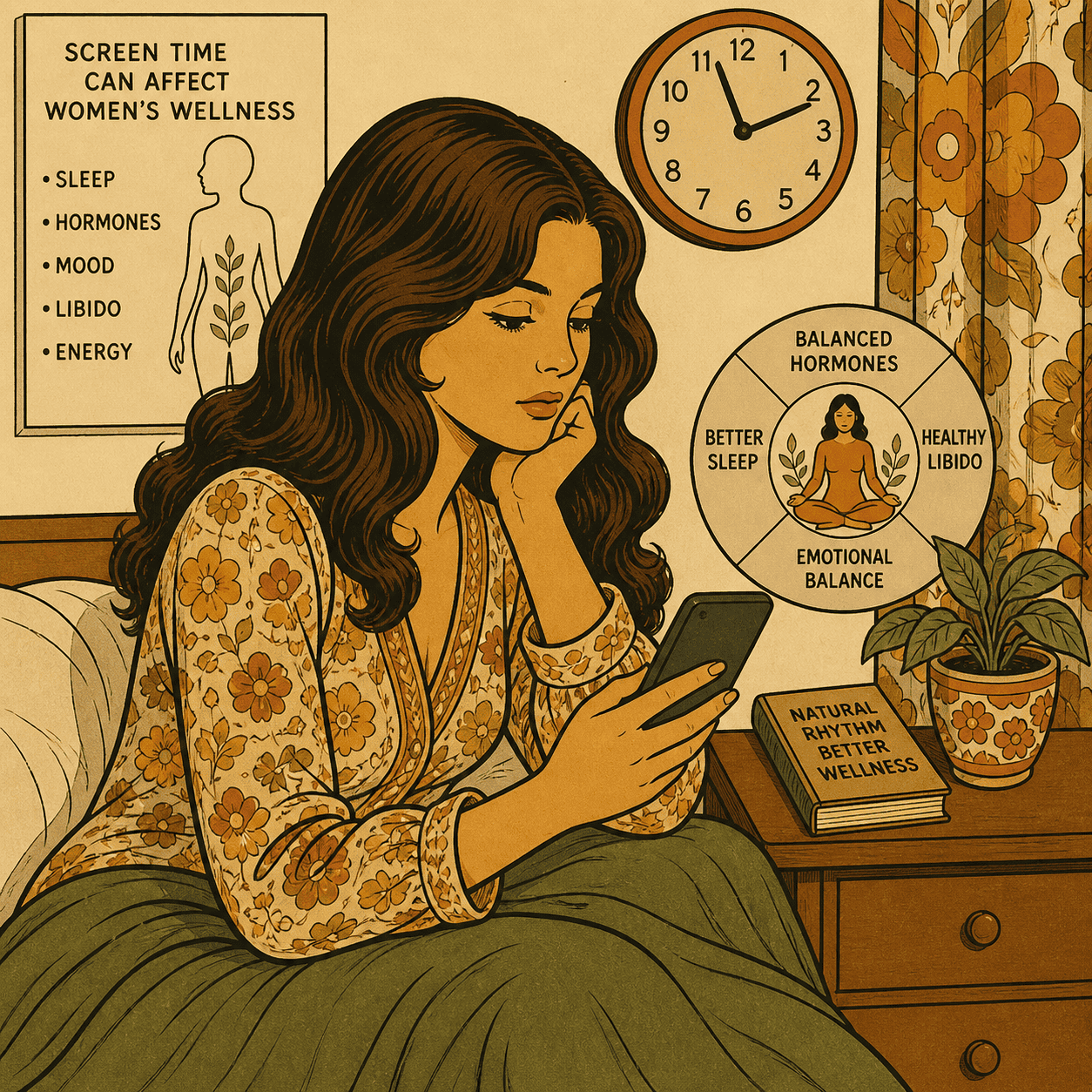
    Many women in India balance demanding work, family care, and constant smartphone use — often late into the night. Sexual wellness encompasses physical comfort, desire, arousal, emotional connection, and freedom from pain or distress. It is influenced by hormones, mental health, relationships, medications, and lifestyle factors including sleep and screen habits. Research increasingly links heavy evening screen use with poorer sleep and higher stress, both of which can affect libido and overall wellbeing. This article explores those connections respectfully and offers practical, evidence-informed steps — not moral judgments about technology use.

    How Screen Time May Affect Sexual Wellness

    • Sleep disruption — blue light and stimulating content delay melatonin, reducing sleep quality; poor sleep lowers energy and can dampen sexual desire
    • Chronic stress and cortisol — endless notifications and work messages keep the nervous system on alert, making relaxation and intimacy harder
    • Body image and comparison — social media exposure correlates with self-esteem concerns in some studies, which may affect confidence and comfort
    • Reduced partner connection — phones in the bedroom can replace conversation, affection, and shared downtime
    • Physical factors — prolonged sitting and poor posture contribute to pelvic floor tension and general fatigue
    • Underlying medical causes — low desire often reflects thyroid disease, anaemia, depression, PCOS, perimenopause, or medication side effects — not screens alone
    Important: Changes in sexual desire or comfort are common and not something to feel ashamed about. Persistent pain, dryness, or distress warrant confidential discussion with a gynaecologist — not self-blame about phone use.

    Practical Steps for Healthier Digital Habits

    Supporting wellness through screen boundaries
    1
    Create a screen curfew before bed
    Stop non-essential scrolling 60–90 minutes before sleep. Use night mode, but prefer reading or stretching instead — blue-light filters help but do not eliminate stimulation from content.
    2
    Keep phones out of the bedroom
    Charge devices in another room and use a simple alarm clock. Couples who reduce bedroom screen time often report more conversation and restful sleep in research surveys.
    3
    Schedule device-free connection time
    Even 15–20 minutes of uninterrupted time with a partner — walk, tea, or quiet talk — supports emotional intimacy, which is part of sexual wellness for many women.
    4
    Curate social media intentionally
    Unfollow accounts that trigger comparison or anxiety. Limit passive scrolling; set daily app timers available on Android and iOS.
    5
    Prioritise sleep and movement
    Seven to eight hours of sleep and regular walking or yoga improve mood, hormones, and blood flow — foundational for wellbeing. Anaemia screening is worthwhile if fatigue is persistent in Indian women.
    6
    Address stress and mental health openly
    Anxiety and depression affect desire and arousal. Counselling, mindfulness, and medical treatment when needed are valid paths. Sexual wellness includes feeling safe and emotionally supported.

    What to Avoid

    • Blaming yourself or your partner solely for complex changes in desire
    • Using unregulated supplements marketed for libido without medical advice
    • Ignoring painful intercourse — this is not normal and is treatable
    • Comparing your relationship to curated social media portrayals
    • Self-diagnosing hormonal problems from online symptom lists
    See a gynaecologist promptly if: persistent pain during intimacy, bleeding after sex, sudden loss of desire with other hormonal symptoms, or distress that affects your quality of life. These need professional assessment, not lifestyle changes alone.

    When to See a Doctor

    • Painful intercourse, vaginal dryness, or recurrent infections
    • Irregular periods, excess hair growth, or suspected PCOS or thyroid issues
    • Low mood, anxiety, or trauma affecting intimacy — confidential counselling helps
    • Perimenopause or menopause symptoms including hot flashes and dryness
    • Medications (some antidepressants, contraceptives) may affect desire — discuss alternatives
    • Concerns about safety in a relationship — seek support from trusted professionals or helplines

    Frequently Asked Questions

    Does too much screen time directly lower libido?

    There is no single proven direct cause, but screen-heavy evenings often reduce sleep and increase stress — both linked to lower desire in women in several studies. Addressing sleep and stress frequently improves overall wellness more than focusing on screens alone.

    Is it normal for desire to fluctuate?

    Yes. Desire naturally varies with menstrual cycle phase, pregnancy, breastfeeding, stress, illness, and life stage. Concern is warranted when changes are persistent, painful, or distressing — not for normal variation.

    Can reducing screen time improve my relationship?

    Many couples find that device-free time improves communication and emotional closeness, which supports intimacy for some people. It is one factor among many — relationship counselling can help when communication is strained.

    Should I take herbal products advertised for female wellness online?

    Be cautious. Many products lack rigorous safety data and may interact with medicines or hormones. Discuss supplements with a qualified doctor, especially if you have liver disease, take contraceptives, or plan pregnancy.

    This article is for general educational purposes only and is not a substitute for professional medical advice. Always consult a qualified healthcare provider for your specific situation. Last reviewed: October 2025. Read our full Medical Disclaimer.